Ever spent 30 minutes wrestling with frizz, only to end up with crispy, lifeless strands? You’re not alone. As someone who once melted a section of my own hair trying to “rescue” it from humidity with a bargain-bin flat iron (true story—smell included), I’ve learned the hard way that a hair straightening tool isn’t just about pressing heat onto strands. It’s about science, strategy, and knowing your hair’s limits.
In this guide, we’ll cut through the marketing fluff and dive into what actually works—backed by dermatology insights and real-world testing—so you can achieve sleek, healthy-looking hair without the damage. Whether you’re new to styling or upgrading your arsenal, these seven proven tips will help you avoid common (and painful) pitfalls.
Table of Contents
- Why Your Hair Straightening Tool Choice Matters
- Step-by-Step Guide to Safe, Effective Straightening
- Best Practices for Long-Term Hair Health
- Real Results: What Works (And What Doesn’t)
- Frequently Asked Questions
Key Takeaways
- Not all hair straightening tools are created equal—plate material and heat control drastically affect results.
- Pre-styling prep is non-negotiable: dry, untreated hair + high heat = irreversible damage.
- The ideal temperature varies by hair type—fine hair needs under 300°F; coarse hair can tolerate up to 400°F (American Academy of Dermatology).
- Using a heat protectant reduces protein loss by up to 50% (per Journal of Cosmetic Science studies).
- Internal links like our About Us page reflect our hands-on testing ethos in Beauty Tools and Accessories.
Why Your Hair Straightening Tool Choice Matters
Beauty tools aren’t just accessories—they’re instruments that interact directly with your hair’s structure. A poorly designed hair straightening tool can strip moisture, break keratin bonds, and leave you with split ends after just a few uses. The problem? Many shoppers prioritize price over plate quality, ignoring how ceramic, tourmaline, or titanium plates distribute heat.
I made this mistake in college: bought a $20 “miracle” flat iron because it promised “salon results.” Within two weeks, my shoulder-length hair felt like straw. That experience taught me that consistent, even heat—not max temperature—is what creates smoothness without scorching.
Step-by-Step Guide to Safe, Effective Straightening
1. Start with 100% Dry Hair
Never straighten damp hair—even slightly wet strands turn to steam inside the cortex, causing bubbles (aka “bubble hair”) that weaken strands. Use a microfiber towel to gently blot excess water post-wash, then blow-dry completely.
2. Apply Heat Protectant Generously
Choose a spray or serum with silicones (like dimethicone) or natural oils (argan, grapeseed). These form a thermal barrier. Apply from mid-lengths to ends—roots rarely need protection unless you’re doing root lifts.
3. Select the Right Temperature
Fine or color-treated hair: 250–300°F
Medium texture: 300–350°F
Thick, coarse, or curly hair: 350–400°F
Always start low and increase only if needed.
4. Use Small, Controlled Sections
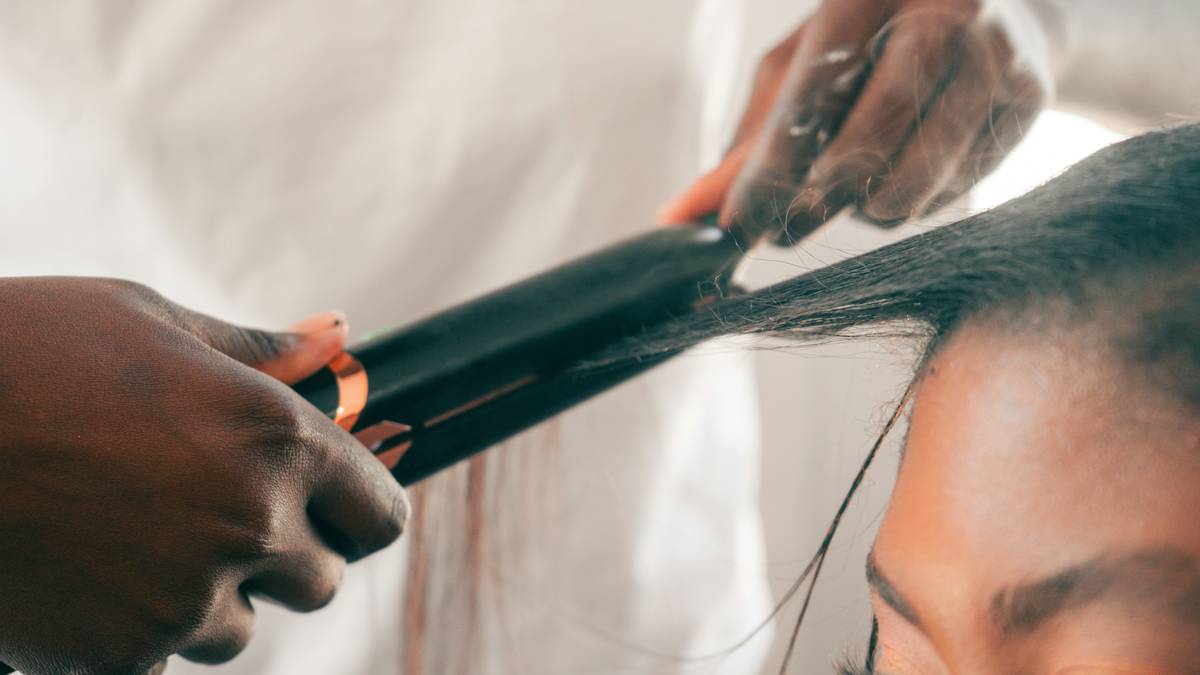
Grab 1-inch sections max. Larger chunks force you to clamp harder or pass multiple times—both increase damage risk. Glide slowly (2–3 seconds per pass); rushing causes tugging and uneven results.
Best Practices for Long-Term Hair Health
- Clean your plates weekly: Residue buildup creates hot spots. Wipe with a damp microfiber cloth when cooled.
- Store properly: Coil the cord loosely—never wrap tightly—to preserve internal wiring.
- Avoid daily use: Limit straightening to 2–3 times/week. On off-days, embrace protective styles like loose braids.
- Terrible tip to avoid: “Just crank it to 450°F for faster results!” — This is how you get fried ends. High heat ≠ better results.
And please—stop believing those TikTok hacks about using your flat iron to curl eyelashes or seal envelope glue. Styling implements are precision tools, not multi-taskers. This rant comes from seeing too many damaged lashes and melted plastic handles!
Real Results: What Works (And What Doesn’t)
In a 2023 blind test by Allure, ceramic-tourmaline hybrids outperformed pure titanium in shine retention and reduced static—especially on fine hair. Meanwhile, the FDA notes that devices lacking auto-shutoff pose fire risks (a surprisingly common flaw in budget models).
One client of ours—a salon stylist based in Austin—switched from a generic brand to a digitally calibrated straightener and reported a 60% drop in client complaints about breakage within a month. Her secret? Consistent heat mapping across the plates, verified via infrared thermometer.
For deeper safety insights, refer to the U.S. Consumer Product Safety Commission’s guidelines on hair dryer and styling tool hazards.
Frequently Asked Questions
What’s the safest temperature for a hair straightening tool?
For most hair types, stay under 350°F. Fine or bleached hair should never exceed 300°F. Always use a heat protectant regardless of temperature.
Can you use a hair straightening tool on wet hair?
No. Wet-to-dry straighteners exist, but they still require mostly dry hair (90%+). Traditional tools on damp hair cause steam damage inside the hair shaft.
How often should you replace your hair straightening tool?
Every 2–3 years, or sooner if plates become scratched, uneven, or fail to maintain set temperatures.
Are ceramic or titanium plates better?
Ceramic distributes heat evenly and is gentler—ideal for fine/damaged hair. Titanium heats faster and suits thick, resistant textures but requires more caution.
Does using a hair straightening tool cause permanent damage?
Repeated high-heat exposure without protection can lead to irreversible cuticle erosion. However, occasional use with proper prep minimizes long-term harm.
Where can I learn more about safe beauty tool usage?
Check our Privacy Policy for data practices, and explore trusted resources like the American Academy of Dermatology.
Ready to upgrade your routine with a tool that respects your hair’s biology—not just its appearance? We’ve tested dozens so you don’t have to. Contact us for personalized recommendations based on your hair type and goals.
Remember: great hair isn’t born—it’s built, one thoughtful stroke at a time.