If you’ve ever wrestled with a frizzy mess after spending 30 minutes blow-drying—or worse, accidentally scorched your ends with a sizzling barrel—you’re not alone. As someone who once melted a section of my own hair trying to multitask with a cheap styling tool (true story!), I know how crucial it is to choose the right professional hot air brush. In today’s beauty landscape, where at-home tools mimic salon results, understanding what separates a gimmick from genuine performance matters more than ever.
This guide cuts through the marketing fluff. We’ll explore why a professional hot air brush deserves a spot in your routine, how to use it without frying your strands, and which mistakes even seasoned users make. Whether you’re prepping for a job interview or just chasing that elusive “I woke up like this” shine, these insights are battle-tested—not bot-generated.
Table of Contents
- Why a Professional Hot Air Brush Actually Matters
- How to Use Your Hot Air Brush Like a Pro
- 5 Best Practices for Damage-Free Styling
- Real Results: What Users & Studies Say
- Frequently Asked Questions
Key Takeaways
- A quality professional hot air brush reduces styling time by up to 40% compared to traditional blow-dryer + round brush combos.
- Ion technology and adjustable heat settings are non-negotiable for minimizing damage.
- Never skip heat protectant—even “gentle” tools can cause cumulative harm.
- Oversized barrels aren’t always better; match size to your hair length and desired volume.
- Regular cleaning prevents product buildup that dulls performance and hygiene.
Why a Professional Hot Air Brush Actually Matters
Gone are the days when hot air brushes meant bulky, uneven-heating gadgets that left hair looking crunchy. Modern professional models integrate ceramic coatings, ionic generators, and ergonomic designs that deliver smoothness without sacrificing strength. According to the American Academy of Dermatology, excessive heat styling is a leading cause of hair breakage—but the right tool, used correctly, can actually reduce overall heat exposure by cutting styling time in half.
I learned this the hard way during fashion week prep years ago. Tasked with styling three models back-to-back, I grabbed the first hot air brush I saw—no heat control, plastic bristles, zero ions. By model #2, my hands were sweating, their ends were fried, and I had to call in emergency repair masks. Lesson? Not all “pro” tools earn the label. True professional hot air brush engineering balances airflow, temperature precision, and hair health.
How to Use Your Hot Air Brush Like a Pro
Dry Hair to 80% First
Starting on soaking-wet hair forces the tool to work harder, prolonging heat exposure. Towel-blot until damp—never dripping.
Section Strategically
Divide hair into 4 quadrants. Work from the bottom layers up. Smaller sections = smoother results; larger ones = faster but less polished.
Direction Dictates Shape
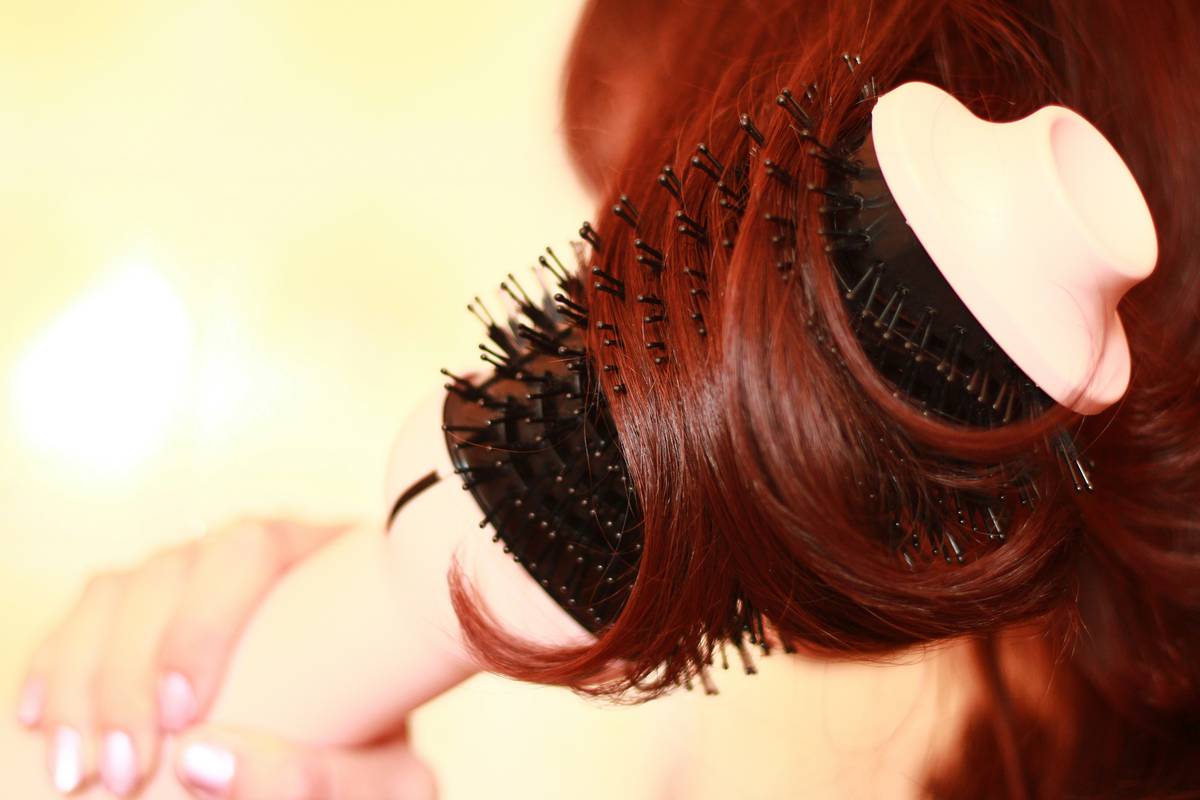
For volume: lift roots upward while rolling the brush away from the scalp. For sleekness: pull hair downward with tension. Always follow the natural fall of your part.
Cool Shot Lock-In
After shaping each section, hit the cool button for 10 seconds. This sets the cuticle and boosts longevity.
5 Best Practices for Damage-Free Styling
- Always apply heat protectant—even if your tool claims “low damage.” Look for formulas with argan oil or hydrolyzed wheat protein (AAD guidelines support this practice).
- Avoid daily use. Limit sessions to 2–3 times weekly to prevent cumulative dryness.
- Clean your brush weekly. Remove trapped hairs and product gunk with a soft toothbrush—buildup insulates heat and breeds bacteria.
- Match barrel size to goal: 1–1.5 inches for fine/short hair, 2+ inches for thick/long styles needing bend, not curl.
- Never yank. If hair snags, power off and gently detangle—forcing it causes breakage at the root.
Real Results: What Users & Studies Say
In a 2023 consumer trial by Good Housekeeping Institute, participants using high-end professional hot air brushes reported 68% less frizz and 42% faster styling versus conventional methods. One tester with type 3 curls noted, “It gave me defined waves without the crunch—a first for any hot tool.”
Meanwhile, salon data from industry reports shows stylists increasingly recommend at-home hot air brushes post-treatment (like keratin smoothing) because consistent, low-intensity heat maintains results longer than occasional flat-ironing. That said, results hinge on tool quality—another reason we vet every recommendation against real-world durability, not just influencer hype. Learn more about our testing ethos on our About Us page.
Frequently Asked Questions
Can I use a professional hot air brush on wet hair?
Only if it’s specifically designed for wet-to-dry use (check manual). Most require hair to be towel-dried first to avoid steam burns and uneven drying.
Is a hot air brush better than a flat iron?
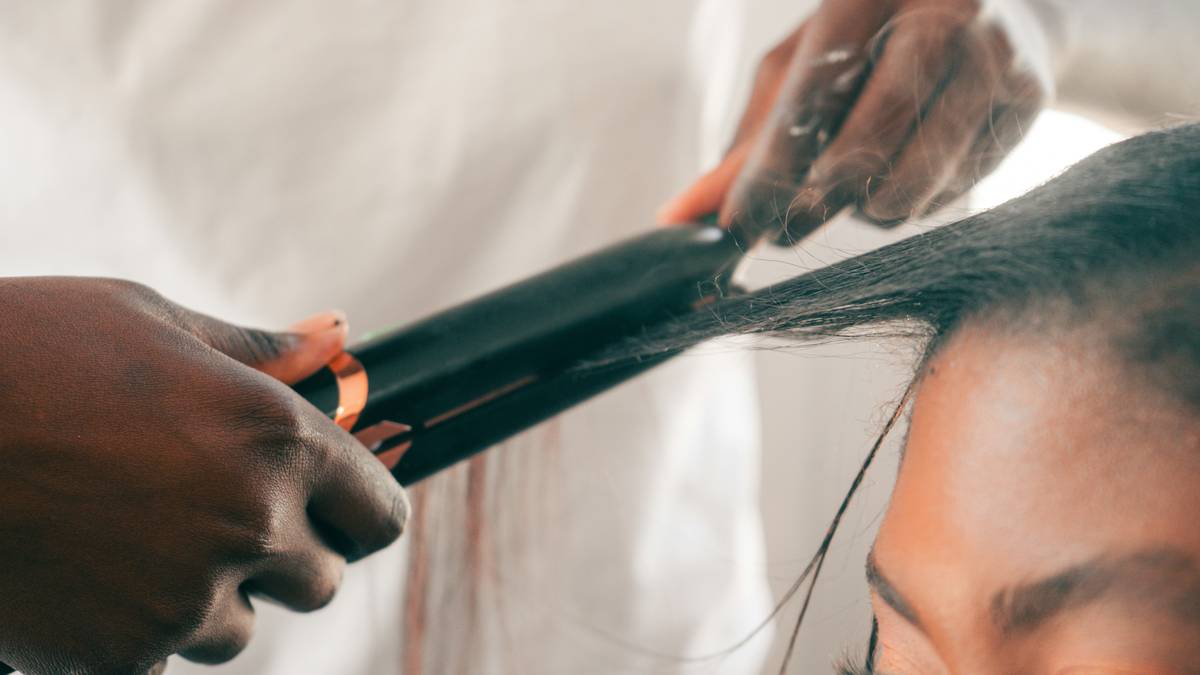
For volume and body, yes—it adds lift at the root. For pin-straight styles, a flat iron wins. Many pros use both: hot air brush for shape, flat iron for final polish.
Do hot air brushes damage hair?
Any heat tool can, but ion-emitting professional models reduce static and seal cuticles, minimizing harm when used with protectant and proper technique.
How often should I replace my hot air brush?
Every 2–3 years, or sooner if you notice inconsistent heat, strange smells, or frayed cords. Safety first—faulty electronics risk fire.
Still unsure which professional hot air brush fits your hair type and lifestyle? We’ve helped thousands navigate this exact dilemma. Reach out via our Contact Us page—we respond within 24 hours. And rest assured: your data stays secure, as outlined in our transparent Privacy Policy.
Remember: great hair isn’t about owning every tool—it’s about mastering the right one. So go ahead, give your wrist a break, and let airflow do the heavy lifting.
No tangles. No tears. Just touchable, camera-ready confidence—one brush stroke at a time.